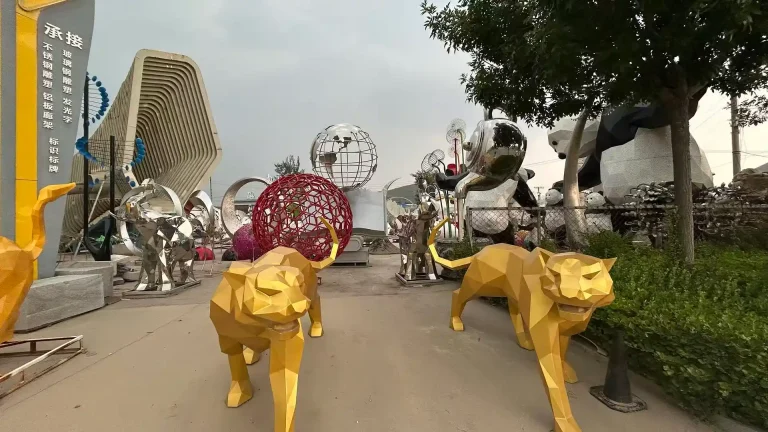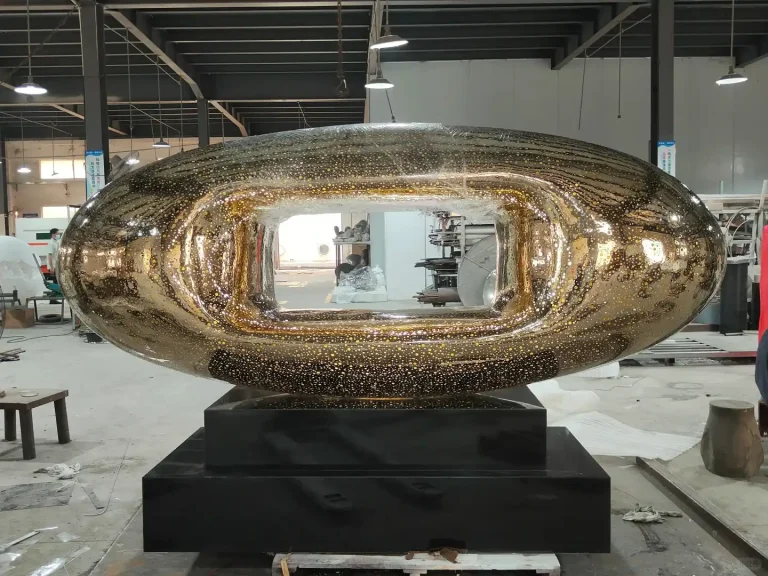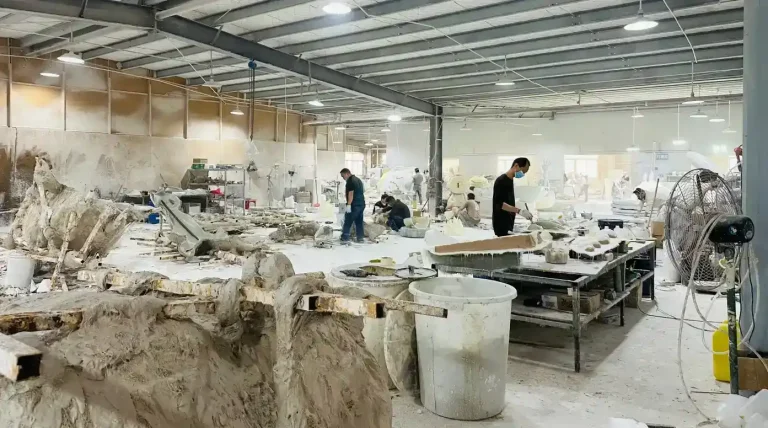
Sculptures are custom‑made, non‑standard art and industrial products. Unlike mass‑produced standard goods, they feature unique shapes, delicate surface finishes, and a wide range of sizes and weights. Most are delivered for overseas engineering projects and art venue installations. Packaging acts as the first line of protection throughout cross‑border transportation, loading‑unloading and customs clearance. It directly determines product integrity, construction safety and customer satisfaction, making it an indispensable step in sculpture export business.
Large split‑type sculptures are commonly manufactured by cutting in‑house, then assembled, welded, ground and polished on‑site overseas. As one of the most experienced suppliers of custom sculptures in China, Hebei WEMEDEC Space Art Company gives priority to the packages and also advises clients to have high requirements on packages. With numerous structural parts, supporting accessories and special installation tools, proper pre‑packaging inventory checks and standardized protective packaging directly affect construction safety, product appearance, project timelines and overall cost control for overseas projects.
Why High‑Quality Packaging Matters for Sculptures
1. Custom‑built packaging is essential for non‑standard products
Nearly all artistic and engineering sculptures are one‑of‑a‑kind custom items without uniform dimensions or shapes. Generic packaging cannot fit irregular curved surfaces, protruding structures and split designs, which easily creates unprotected blind spots, loose fixing and internal shifting. Therefore, packaging solutions must be tailored to each sculpture’s size, weight, structure and surface finish. This is the fundamental prerequisite for safe long‑distance cross‑border shipping.
2. Preserve delicate surface finishes and prevent transport‑related wear
Surface treatments including stainless steel mirror polishing, brushing, fluorocarbon spraying, paint coating and antiquing define the core value of sculptures and are also the most vulnerable parts. Vibration, jolting, compression and slight shifting during sea and land transport can cause friction, scratching, paint chipping and indentations. Damaged surface finishes ruin aesthetic quality and require on‑site repair, which cannot replicate the factory‑finished standard quality.
3. Standard packaging markings support smooth customs clearance
As large non‑standard engineering cargo, exported sculptures face higher customs inspection risks. Clean, well‑organized outer packaging together with clear shipping marks, product labels, batch information and product passports allows customs officials to verify cargo quickly. This reduces delays, detention and demurrage fees caused by messy packaging or missing markings.
4. Enable full‑traceability and improve brand professionalism
Professional packaging includes brand logos, shipping marks and packing lists for order, batch and component traceability. It facilitates logistics, freight forwarders and on‑site acceptance checks, and demonstrates standardized production and delivery capabilities to boost overseas client trust and repeat business.
5. Reinforce packaging structure to avoid on‑site unpacking accidents
Most metal sculptures are heavy‑weight components. Loose internal fixation or weak packaging boxes may lead to shifting during transit. When workers unpack, lift or move sculptures at overseas project sites, pieces may tilt, slip or fall, resulting in severe personal injury and legal compensation liabilities. Robust packaging is critical for worker safety, claims WEMEDEC logistic manager Mrs. Zhang.
6. Pre‑packaging inventory checks avoid missing parts and project delays
Large split sculptures consist of multiple segments, internal skeleton, base assemblies, connection plates, anchor bolts, fasteners and special installation tools. Without pre‑packaging inventory and double‑check procedures, parts, accessories or tools may be left behind. Cross‑border logistics have long lead times. Reshipping missing items incurs high freight costs and can halt on‑site assembly, triggering serious contract‑performance losses and client complaints.
Real‑World Consequences of Poor Sculpture Packaging
Case 1: Packaging failure leads to worker injury and labour disputes
According to WEMEDEC Space Art team, this is a real case which WEMEDEC knows, and it happened just in the year of 2026 in Russia. In an overseas engineering project, a Chinese sculpture supplier used insufficiently reinforced packaging with unreliable internal fixation. When client’s general contractor’ workers unpacked the crates on‑site, the outer packaging failed unexpectedly, and heavy sculpture components slipped and fell. A worker sustained serious leg and waist injuries.
This incident triggered overseas labour disputes and injury compensation claims. The general contractor of this municipal project covered high medical bills, lost‑wage compensation and site‑stop losses, received contractual penalties from the client, lost long‑term cooperation opportunities and suffered severe reputational damage. This is also bad to the reputation of the sculpture supplier.
Case 2: Insufficient protection causes widespread paint chipping requiring on‑site repair
WEMEDEC team explained that this was another real case. For an overseas park project, a contractor imported custom‑made metal leaf‑shaped pavilion sculptures from another Chinese sculpture fabrication factory. Upon unpacking, large‑area paint chipping and wear were found across the pavilion surfaces, caused by repeated friction and compression inside the package under transit vibration. The damage failed to meet project acceptance standards.
To save project timelines, that sculpture supplier urgently shipped spray paint and repair materials to the overseas site for manual touch‑ups. While delivery was completed, on‑site hand‑painting could not match the factory’s dust‑free spray‑coating quality. Visible colour differences and repair marks remained permanently on the product surface. Extra air‑freight costs and rework labour expenses were also incurred, harming brand reputation. That is why we always think the package is as important as the quality of the sculpture itself – Said by the WEMEDEC sculpture team.
Case 3: Missing inventory check results in omitted components and costly emergency re‑shipping
This is another real case which happened in 2026, too. A Chinese sculpture factory produced a large split‑type engineering sculpture for export. Without implementing standardized inventory and verification before packing, the container was loaded and shipped. Two days after dispatch, base components and anchor bolts for the sculpture were discovered left behind in a factory storage area.
Since the main bulk cargo had already sailed, the goods could not be returned for re‑loading. That sculpture factory had to urgently arrange separate shipment of the missing parts to an overseas transit hub for consolidation with the main consignment. This mistake generated emergency freight, transit handling fees, sorting charges and expedited processing costs. The overall delivery schedule was delayed, bringing unnecessary financial losses and negative feedback from the client.
Standardized Packaging Procedures and Best Practices for Export Sculptures provided by wemedec team
1. Pre‑packaging full‑item inventory with double‑check for split sculptures (mandatory)
For all large sculptures cut in‑house for on‑site overseas assembly, complete packing lists must be created before packaging, with two‑round verification, according to the professional sculpture supplier Hebei WEMEDEC team.
- Main component list: WEMEDEC always numbers and records all segmented bodies, curved parts, base assemblies and decorative elements against production drawings of the sculptures before packing.
- Auxiliary‑part list: WEMEDEC team counts and documents all anchor bolts, connection plates, locating pins, fasteners and sealing accessories of the sculptures.
- Construction‑tool list: Registers all welding, grinding, polishing, calibration and installation tools to be shipped together.
- Double‑check workflow: Initial count before packing, final verification before container sealing. Only seal packages when all physical items match the list to eliminate missing, wrong or incomplete parts.
2. Multi‑layer flexible protection to safeguard surface finishes
We adopt multi‑material layered wrapping to prevent abrasive damage:
- First layer: Full‑coverage PE waterproof dust‑proof film to block moisture, dust and sea‑salt corrosion and prevent metal oxidation and paint contamination.
- Second layer: Full‑wrap EPE foam padding. Add extra thickness to edges, protrusions and curved high‑impact areas to absorb transit vibration and shock.
- Third layer: Wrap with thick felt or soft cloth to isolate the sculpture surface from foam and wooden crate panels and avoid friction‑related wear.
- Secure all wrapping layers tightly without slack or gaps to prevent shifting‑induced abrasion during transport.
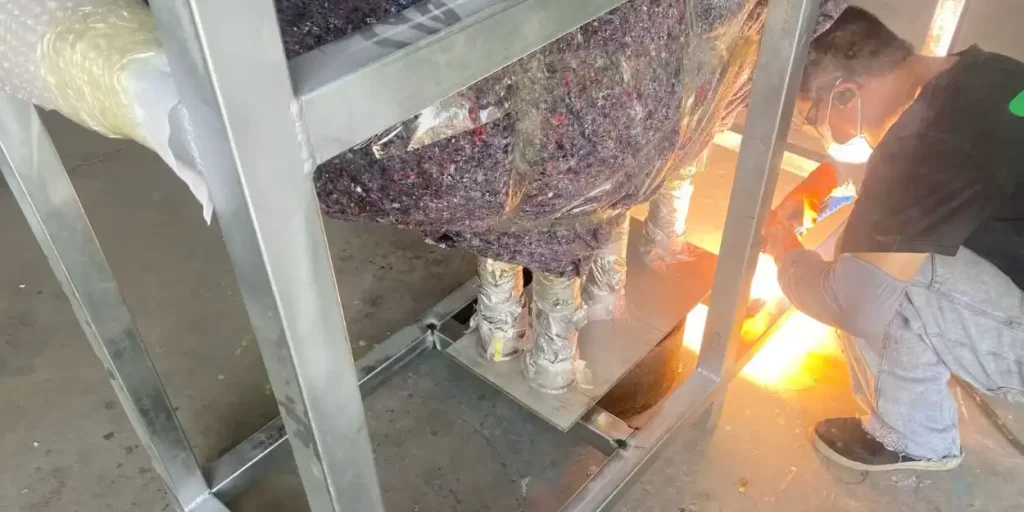
3. Rigid base fixation to eliminate shifting and movement in transit
This is the core step for heavy‑weight sculptures:
- Customize heavy‑duty metal support frames according to sculpture weight and structure. Securely weld the sculpture body onto the base frame.
- Ensure zero gaps, looseness or floating sections to stop tilting and swinging throughout transit.
- Critical prohibition: Never let painted, polished or decorative surfaces directly touch metal frames or wooden crate panels. Fill all contact gaps with EPE foam or felt for flexible isolation to avoid indentations and abrasions.
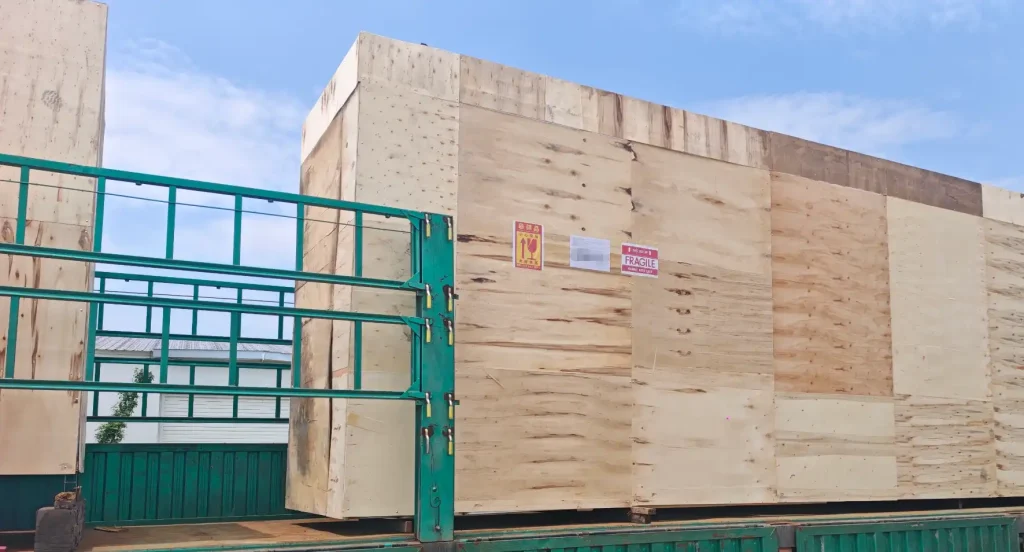
4. Custom fumigation‑free plywood crates for international export compliance
All export sculptures must use export‑grade fumigation‑free plywood crates. This is how WEMEDEC company internally requires its own logistic team to do:
- Custom‑cut crates tailored to sculpture contours with adequate load‑bearing capacity for long‑haul ocean shipping.
- Fill all internal empty space with cushioning materials to eliminate internal movement and collision risks.
- Reinforce crate corners and edges for robustness against rough handling in international logistics.
5. Standard outer‑packaging markings for customs clearance and on‑site inspection
It is vital to print or attach on crate exteriors: brand logo, shipping marks, batch numbers, product passports, centre‑of‑gravity indicators, lifting directions, fragile‑goods warnings and moisture‑proof labels. These markings support logistics transfer, customs inspection, on‑site inventory, lifting operations and final project acceptance. WEMEDEC is glad to say that we have been doing this for many years.
Conclusion
Sculpture export packaging is far more than simple box‑packing. It is a systematic workflow covering inventory control, damage prevention, transport safety, logistics compatibility, risk mitigation and schedule assurance. Doing this makes WEMEDEC outstanding among the numerious sculpture suppliers in China.
WEMEDEC warns that the poor packaging and missing procedures can lead to personal‑injury accidents, legal compensation, product rework, high unexpected logistics costs, project delays and reputational harm. Following the full workflow — pre‑packaging double‑check inventory, multi‑layer flexible protection, rigid structural fixation, compliant export crates and standardized markings — helps eliminate transport risks. Sculptures can then arrive at overseas projects intact and in perfect condition, strengthening export competitiveness and client trust. WEMEDEC is looking for global business partners with strong support in custom metal artworks, structures, sculptures, etc. For more details of the proper packing methods of sculptures or custom metal works, feel free to reach out to us for it.