Introduction: The Artistic Value and Maintenance Significance of Mirror Sculptures
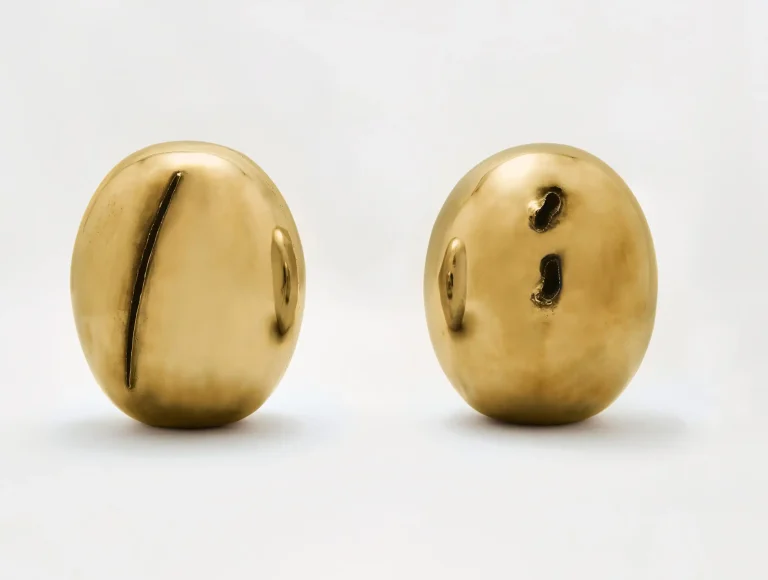
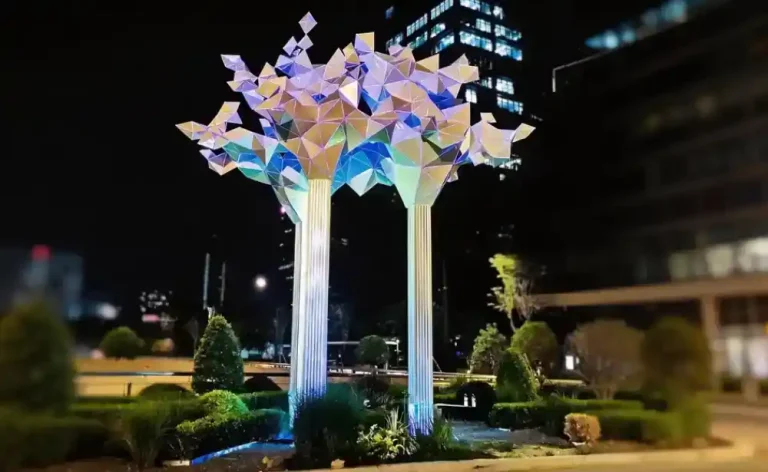
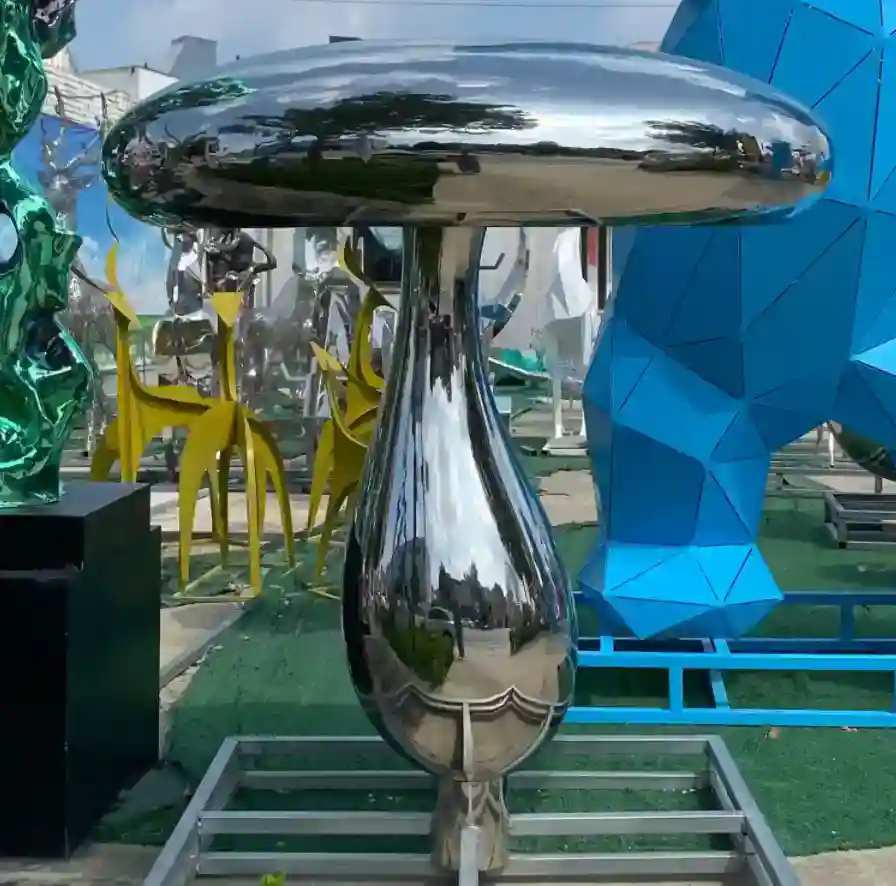
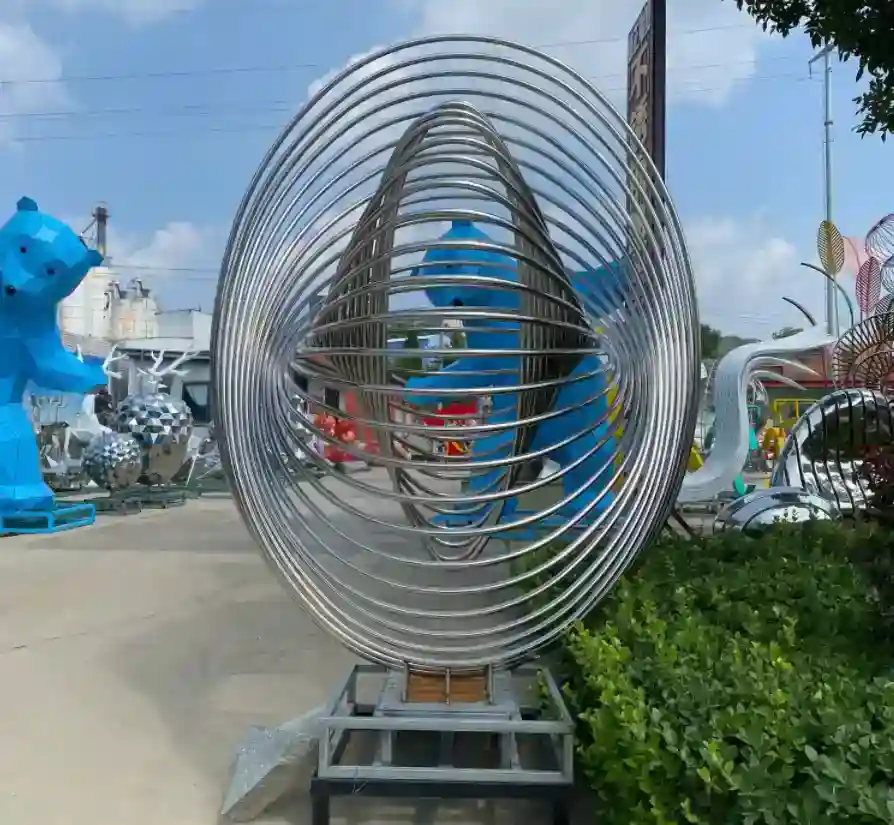
In modern urban public art and high-end courtyard decoration, mirror-polished sculptures have become a favored art form for their unique interplay of light and shadow and contemporary aesthetic. These stainless steel artworks, polished to a mirror-like finish, not only reflect their surroundings, presenting ever-changing visual effects with shifting light and seasons, but also serve as striking focal points in any space. Yet, this mirror-like quality is both the artistic soul of such sculptures and their most “vulnerable” aspect—minor surface scratches, oxidation spots, or improper cleaning can significantly diminish their overall beauty.
Drawing on professional experience in sculpture fabrication and maintenance, this article provides a detailed guide to scientifically preserving your mirror-polished sculptures. From daily cleaning to professional restoration, from indoor display to outdoor placement, WEMEDEC team will help you safeguard both your artistic taste and investment value.
Part One: Understanding the Material Properties of Mirror-Polished Sculptures
1.1 What is Mirror Polishing on Stainless Steel
‘Mirror finish’ refers to the surface condition of stainless steel, technically classified as an “8K finish” in the industry. Commercially available mirror stainless steel is typically graded as 6K, 8K, or 10K: 6K represents standard polishing, 8K precision polishing, and 10K achieves an ultra-fine mirror effect. Simply put, the higher the polishing grade, the clearer the reflection, but the greater the processing difficulty and cost.
Mirror polishing techniques primarily fall into two categories:
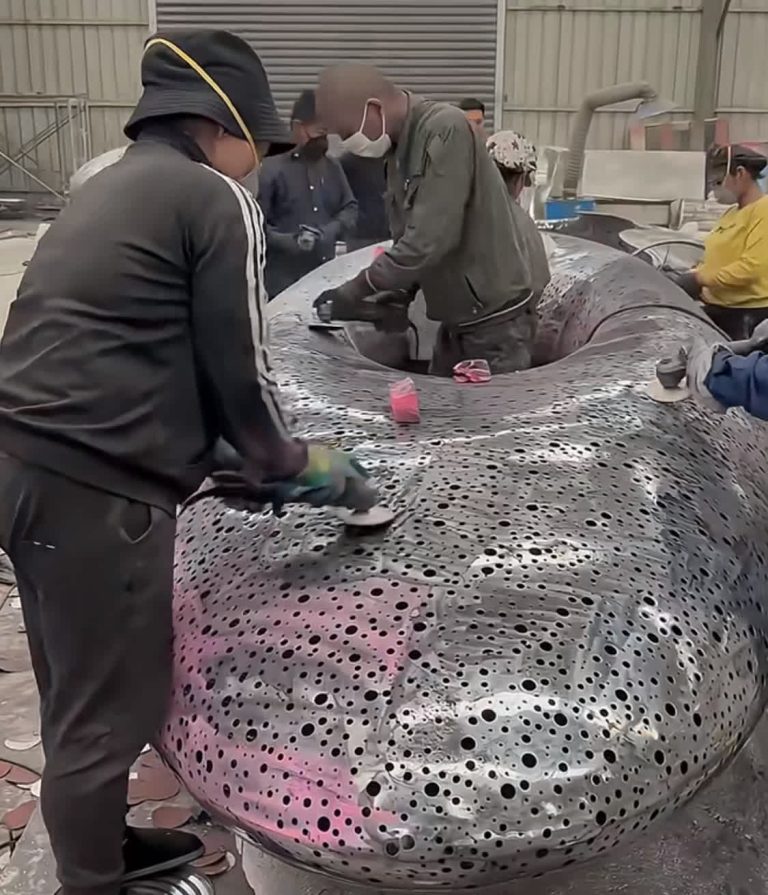
- Mechanical mirror polishing: A process involving rough grinding, fine grinding, and final polishing to achieve a smooth, brilliant mirror-like surface.
- Chemical solution polishing: Using chemical baths to remove the surface oxidation layer, thereby achieving a bright finish.
1.2 The Core Advantages of Stainless Steel
Quality mirror sculptures are typically made of 304 or 316 stainless steel, with 316 stainless steel offering superior corrosion resistance and higher strength, making it particularly suitable for coastal areas or high-humidity environments. The chromium film that naturally forms on stainless steel surfaces is key to its rust and corrosion resistance. Properly maintaining this protective layer allows sculptures to retain their like-new appearance for years.
Part Two: Daily Cleaning – Your First Line of Defense for Preserving the Mirror Finish
2.1 Cleaning Frequency and Preparation
Cleaning frequency for mirror sculptures should be flexibly adjusted based on environmental cleanliness: indoor settings may require weekly or monthly cleaning, while outdoor or high-traffic public areas demand more frequent attention. Before starting, prepare the following tools and materials:
| Tool Type | Recommended Choices | Avoid Using |
|---|---|---|
| Wiping Cloths | Soft cotton cloths, mirror cleaning cloths, chamois leather | Rough rags, steel wool, hard brushes |
| Cleaning Agents | Neutral cleaners (diluted dish soap), stainless steel cleaners | Strong acids/alkalis, cleaners with abrasive particles |
| Auxiliary Tools | Feather dusters, soft brushes, lint-free cloths | Hard scrapers, coarse sponges |
2.2 Standard Cleaning Procedure
Step One: Dust Removal Pre-treatment
For surface dust, gently remove it first with a feather duster or soft brush. This prevents dust particles from scratching the mirror finish during subsequent wiping. This seemingly simple step is crucial for preventing scratches.
Step Two: Prepare Cleaning Solution
Dilute a neutral cleaner (like dish soap) with clean water at an approximate 5% concentration. Avoid applying undiluted cleaner directly onto the sculpture’s surface.
Step Three: Gentle Wiping
Dip a soft cloth in the cleaning solution and gently wipe the sculpture’s surface. Wiping technique is paramount here: always wipe gently in one consistent direction (e.g., horizontally or vertically), avoiding back-and-forth or circular motions. This helps prevent water spots and minimizes the risk of micro-scratches. On mirror-polished surfaces, it’s especially important to avoid applying excessive force.
Step Four: Rinse and Dry
Thoroughly rinse off any residual cleaning solution with clean water to prevent streaking or potential discoloration. Finally, completely dry the surface with a soft, dry cloth to prevent water spots that could lead to oxidation.
2.3 Dealing with Stubborn Stains
For stubborn stains that resist regular cleaning, try these professional methods:
- Oil/Grease Stains: Wipe away first with a soft cloth, then treat with neutral detergent or stainless steel cleaner.
- Adhesive Residue (e.g., from stickers): Can be gently wiped with alcohol or organic solvents (ether, benzene). Always test on an inconspicuous area first.
- Bird Droppings or Tough Grime: Soften with warm water first, then use a small amount of stainless steel cleaner.
- Low-Cost DIY Method: Wipe with a soft cloth dipped in dry flour or talcum powder; this can remove dirt without scratching.
Key Reminder: Regardless of the method, always follow the principle of ‘test first, then use.’ Confirm safety on the bottom or an inconspicuous area of the sculpture before proceeding with full cleaning.
Part Three: Scratch Repair and Surface Renewal Techniques
Despite best efforts, fine scratches can appear on mirror sculptures. Here are repair options for different damage levels:
3.1 Treating Minor Scratches Locally
For superficial fine scratches, use stainless steel polishing compound for local repair. Procedure:
- Apply polishing compound to a soft, clean cloth.
- Gently rub along the direction of the scratch, using even, moderate pressure.
- Wipe away excess compound with a clean soft cloth and check the result.
- Repeat if necessary until the scratch is less visible.
According to WEMEDEC, the largest metal sculpture manufacturer in Hebei Province, China, another simple method is using toothpaste as a polishing compound alternative: apply toothpaste to a soft cloth, gently rub the scratched area, then rinse clean with water and dry. This can often yield surprisingly good results.
3.2 Professional Repair for Deep Scratches
For more noticeable scratches or localized damage, it’s advisable to consult professional sculpture maintenance personnel. Professional restoration typically involves:
- Localized sanding of the damaged area using progressively finer grits of sandpaper.
- Using mechanical polishing equipment to restore the mirror finish.
- Ensuring overall surface consistency so the repaired area blends seamlessly with the surrounding surface.
3.3 Addressing Oxidation and Rust Spots
If rust spots or oxidation appear on the stainless steel surface, address them promptly to prevent spread:
- Mild Oxidation: Use stainless steel passivation paste to treat the area and restore luster.
- Rust Spots: First, gently sand the area with fine sandpaper to remove the rust, then apply anti-rust primer or perform passivation treatment.
- Preventive Coating: In coastal areas or regions with heavy industrial pollution, consider spraying a clear protective coating designed for stainless steel. Ensure it’s a high-quality product that won’t compromise the mirror effect.
Part Four: Structural Integrity and Environmental Protection
4.1 Regular Structural Inspections
Maintaining a mirror sculpture involves more than just its surface, structural safety is equally important:
| Inspection Item | Frequency | Key Points to Check |
|---|---|---|
| Welded Joints | Quarterly / After severe weather | Cracks, signs of loosening |
| Connecting Bolts | Monthly | Tightness, signs of rust |
| Overall Stability | Every Six Months | Leaning, signs of settlement |
| Sealant at Joints | Quarterly | Aging, detachment |
If issues are found, contact professionals promptly for repair to prevent minor problems from escalating into safety hazards.
4.2 Managing Environmental Factors
Humidity Control: In humid environments, place desiccants near the sculpture or increase inspection frequency. For indoor sculptures, maintaining an ambient temperature of 18°C-24°C and relative humidity of 40%-50% is ideal.
UV Protection: For sculptures exposed to prolonged sunlight, monitor the surface for fading or aging due to UV rays. Consider periodic surface protective treatments if necessary.
Extreme Weather Preparedness: Before severe weather like heavy rain, typhoons, or snow, consider covering the sculpture with a waterproof tarp and check the security of all fixtures. For large sculptures, consider engaging professionals for non-destructive testing to ensure structural integrity.
Managing the Surrounding Environment: Avoid welding, painting, or other activities near the sculpture that could cause contamination or damage. If landscaping work is nearby, prevent plants from climbing and contacting the sculpture’s surface.
Part Five: Maintenance Considerations for Different Mirror Materials
While stainless steel is the dominant material for mirror sculptures, elements like glass mirrors or acrylic panels may also be incorporated, each requiring different care:
5.1 Stainless Steel Mirror (Mainstream Material)
- Use neutral cleaners at approx. 5% concentration
- Use soft, lint-free cloths or sponges, wiping in one consistent direction
- Avoid hard tools and highly corrosive cleaners
5.2 Glass Mirror Elements
- Avoid cleaners containing ammonia or alcohol
- Use glass cleaners and microfiber cloths
- For stubborn spots, dampen the cloth with water first and wipe gently; avoid excessive pressure that could cause cracking
5.3 Acrylic Mirror Panels
- Strictly avoid solvents like alcohol or acetone
- Use only soft cloths and neutral cleaners
- Dry promptly after cleaning; avoid prolonged direct sunlight exposure which can cause yellowing
Part Six: Seasonal Maintenance and Long-Term Care Plans
6.1 Seasonal Maintenance Priorities
Spring: Dust and sand are common. Focus on gentle dust removal to prevent surface scratches.
Summer: High temperatures and rain increase cleaning needs. Promptly remove rain residue and check drainage to prevent water accumulation.
Autumn: Falling leaves accumulate. Clean away leaves and debris promptly to prevent them from decomposing and staining the surface.
Winter: Be mindful of low temperatures affecting materials. Avoid using water-based cleaners in freezing conditions. Some liquid materials (like certain protective coatings) may thicken or solidify in the cold; note their storage and application temperature requirements.
6.2 Recommended Long-Term Maintenance Schedule
Based on professional sculpture manufacturer recommendations, consider this long-term plan:
- Weekly/Monthly: Perform routine cleaning based on environmental conditions;
- Quarterly: Conduct a thorough inspection of the surface condition and structural stability;
- Annually: Assess the mirror finish; consider professional polishing if needed;
- Every 2-3 Years: Outdoor sculptures may benefit from comprehensive maintenance, including re-polishing or re-applying protective coatings.
6.3 Creating a Maintenance Log
For valuable mirror sculptures, it’s advisable to establish a detailed maintenance log. Record the dates, actions taken (cleaning, inspections, repairs), materials used, and any issues observed during each maintenance session. This helps track the sculpture’s condition over time and provides valuable information for professional conservators if needed.
Conclusion: Cherish with Care, Let Art Endure
Mirror-polished sculptures enrich our spaces with their unique artistic language, and proper maintenance is the key to preserving that beauty for years to come. With the daily cleaning methods, scratch repair techniques, structural safety checks, and environmental protection measures outlined here, you now possess the core knowledge to protect these reflective artworks.
Reminder from WEMEDEC company, just remember, prevention is better than cure, and gentleness trumps force. Regular, attentive care is far more effective than intensive intervention after problems arise. Whether it’s a priceless public artwork or a cherished personal garden piece, every mirror sculpture deserves thoughtful attention.
When encountering issues beyond the scope of routine maintenance, don’t hesitate to contact the original fabricator or a professional sculpture conservation service. Expert handling not only resolves problems effectively but also extends the lifespan of your sculpture, ensuring your mirror-polished piece truly becomes an artwork that withstands the test of time.
May your mirror sculpture remain brilliantly lustrous, continuing to tell its story through the endless dance of light and reflection. If you need any further information or quotations of mirror polished sculptures from China, WEMEDEC will be a must as the option.
The maintenance methods described in this article are primarily applicable to stainless steel mirror sculptures. For pieces involving other materials or specialized finishes, please consult professionals for tailored advice.