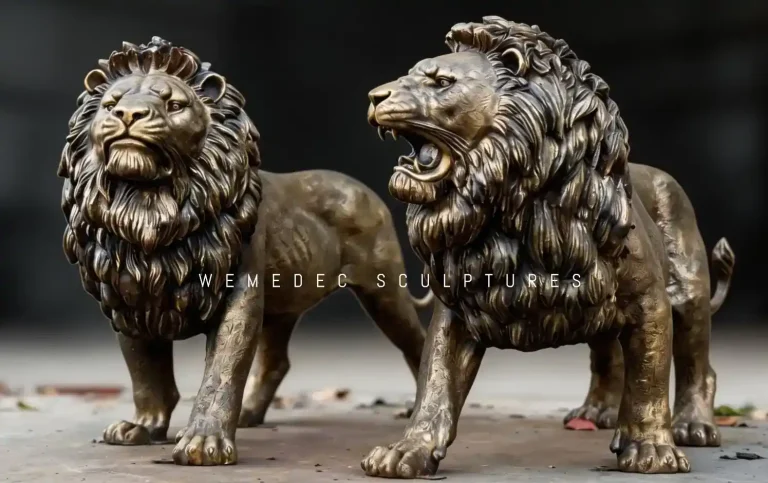
As a professional sculpture factory with years of experience in outdoor public art installation, we, the WEMEDEC team, often hear one question from clients around the world: How long can fiberglass sculptures last outdoors?
The answer lies not just in the material itself but in how the firberglass (FRP) sculptures are made. From the quality of raw materials to the precision of molding and the protection of surface coatings, every step determines whether a sculpture will last 5 years or 20+ in an outdoor environment.
Material Matters: Not All Fiberglass Is Created Equal
Fiberglass Reinforced Plastic (FRP), also known as glass fiber reinforced plastic, is the core material used in modern outdoor sculptures. But the quality can vary significantly depending on the resin system and fiber content.
High-quality sculptures use marine-grade or UV-resistant polyester resin or epoxy resin, combined with multiple layers of glass fiber mat. These materials offer excellent structural strength, corrosion resistance, and weatherability. Lower-grade resins, on the other hand, may yellow, crack, or delaminate within just a few years of sun exposure.
The Backbone: Structural Design and Layering
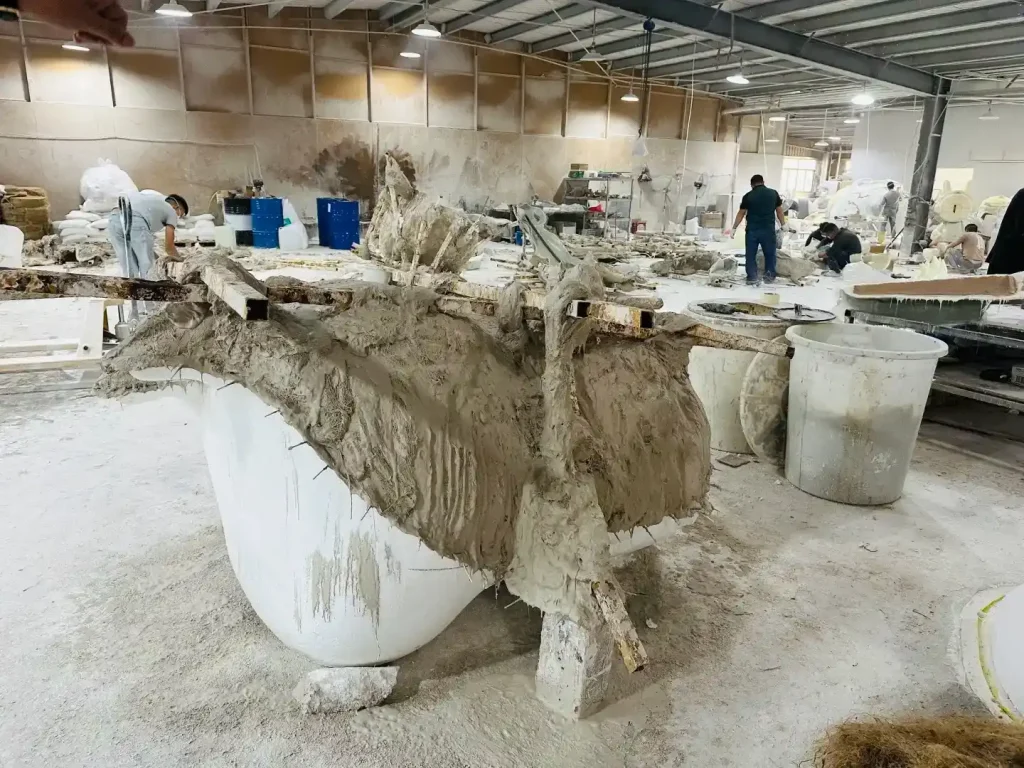
A durable outdoor sculpture starts from the inside out. We reinforce critical load-bearing areas with steel frames embedded in the fiberglass. This internal skeleton prevents warping, sagging, or breakage under wind load or thermal expansion.
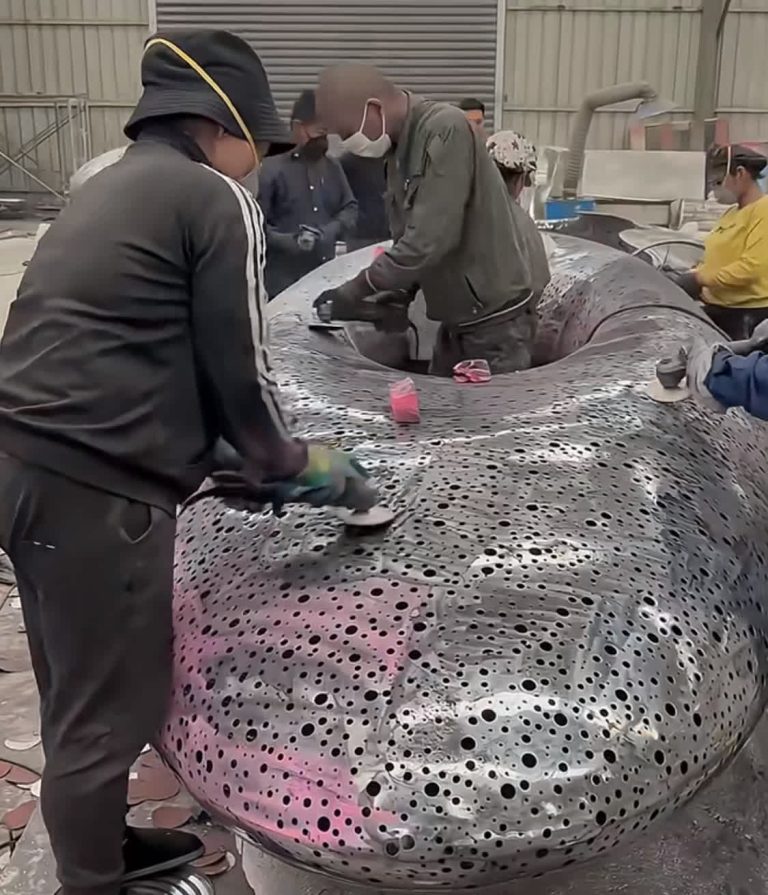
The lamination process is equally important. Each layer of fiberglass must be evenly applied, fully saturated, and properly cured. Air bubbles, thin spots, or uneven thickness can become weak points where moisture or UV damage begins.
Molding Precision: The Art of Reproduction
To achieve consistent, repeatable forms—especially for customized designs or batch production—we use high-quality silicone molds or fiberglass mother molds. These capture fine surface details while ensuring durability during multiple castings.
A precise mold not only replicates the artist’s vision faithfully but also reduces post-production finishing work, which can sometimes weaken the surface if over-sanded or patched excessively.
Surface Coating: The First Line of Defense
Even the strongest fiberglass body will fail early without proper surface protection. Outdoor sculptures face constant attack from UV radiation, rain, pollution, and temperature swings.
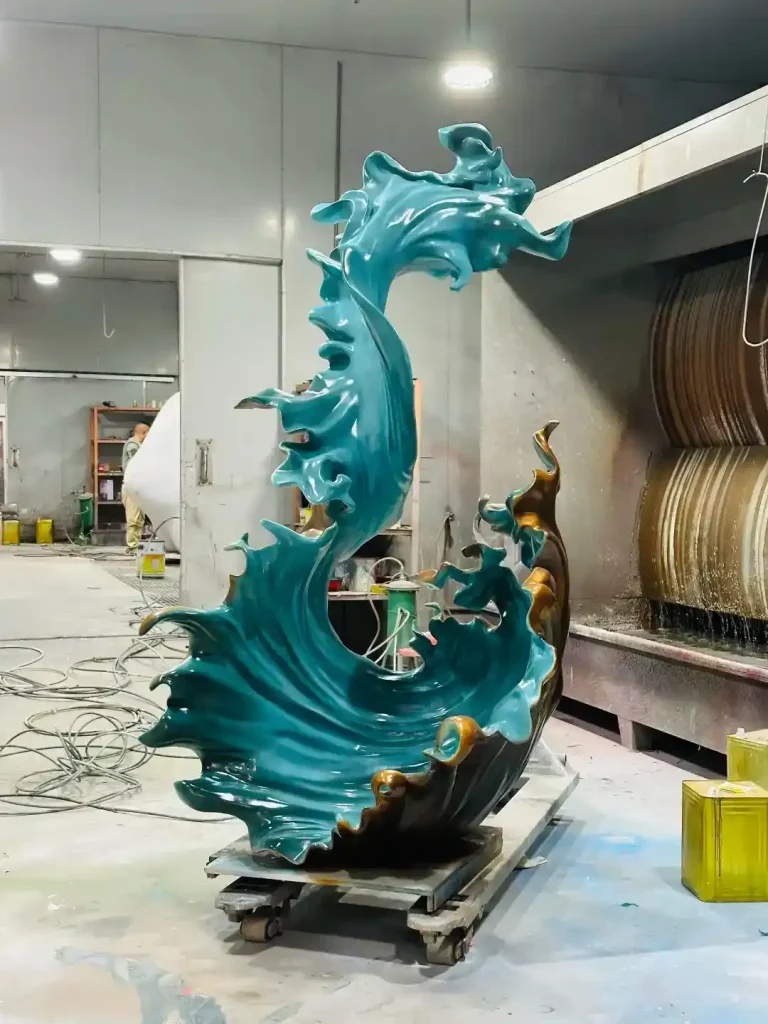
We apply automotive-grade polyurethane topcoats or fluorocarbon paints that offer exceptional UV resistance and color retention. Some clients also request anti-graffiti coatings for public spaces. These layers act as a sacrificial barrier, protecting the underlying fiberglass from degradation.
Depending on the pigment quality and coating system, a well-finished sculpture can maintain its original appearance for 8 to 12 years before needing routine maintenance—such as cleaning and re-coating.
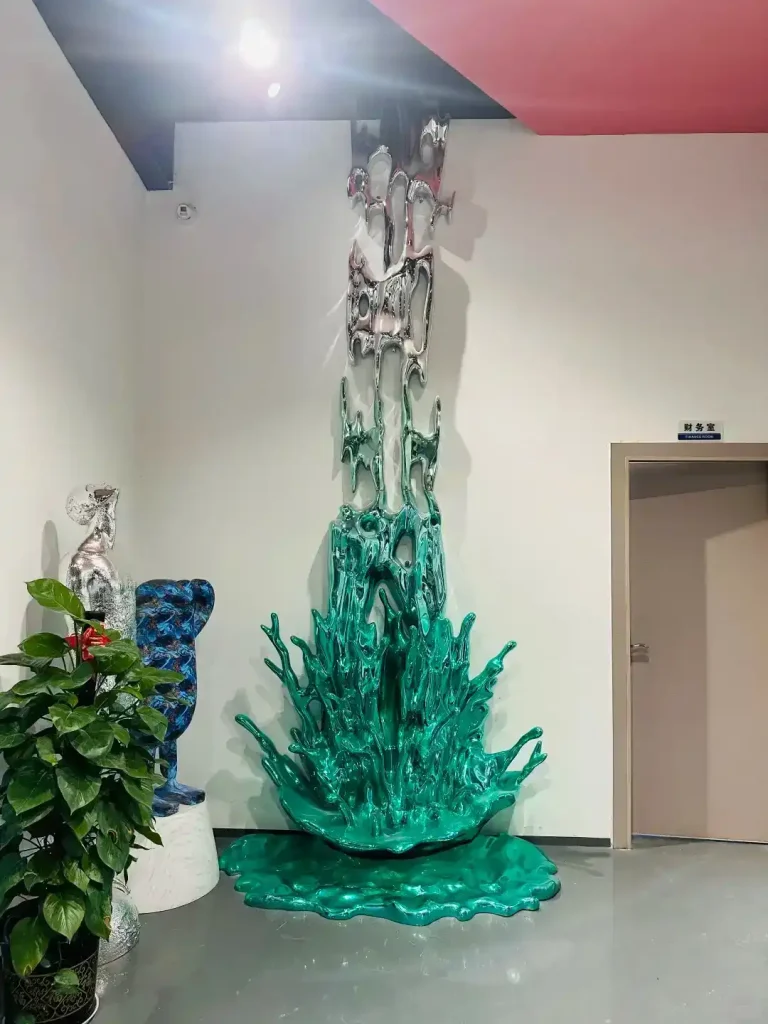
Customization for Different Climates
No two outdoor environments are the same. A sculpture installed in a tropical coastal area faces high humidity and salt spray, while one in a desert region endures intense UV and sand abrasion.
That’s why we tailor our material selection and coating strategy to the specific installation site. For coastal projects, we increase gel coat thickness and use stainless steel hardware. For high-altitude or cold regions, we select resins with better low-temperature flexibility.
From Our Factory to Your Project
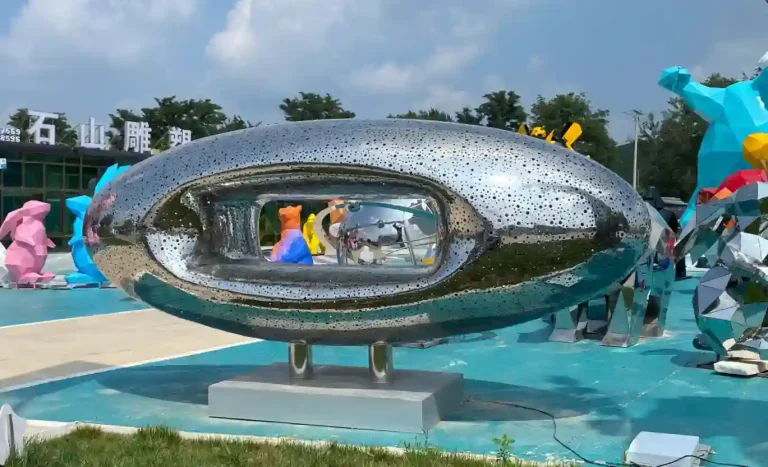
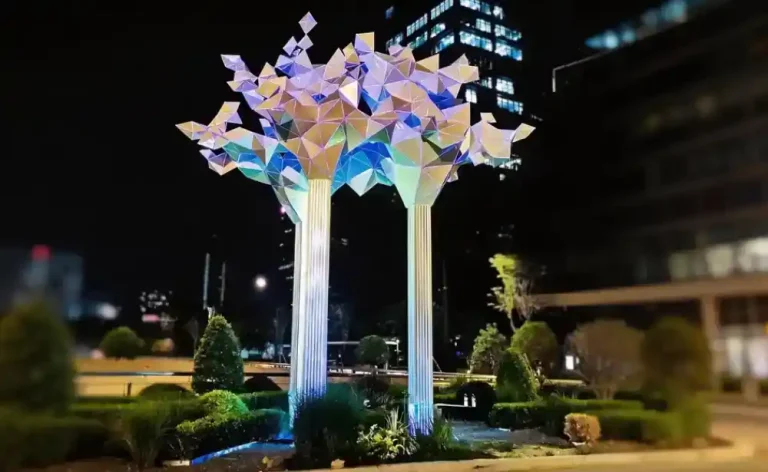
Every sculpture we ship is the result of a carefully controlled process: design consultation, structural engineering, precision molding, hand-finishing, and multi-layer coating. We’ve supplied customized fiberglass sculptures to museums, public squares, resorts, and urban landmarks across the globe—each built to withstand its unique environment.
Whether you need a 2-meter interactive figure or a 10-meter landmark installation, WEMEDEC ensures that beauty and durability go hand in hand.
Contact us to discuss your next project—and let’s create something that lasts.